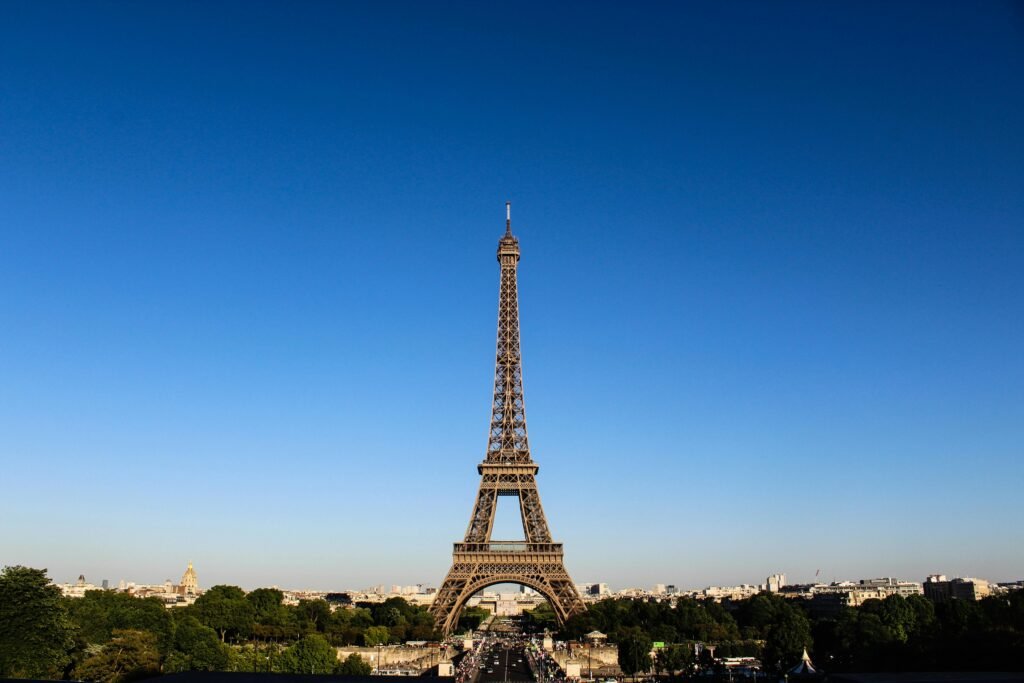
France Travel Advisory 101: France is a popular tourist destination with rich culture and history. Travelers should stay informed about local safety and health guidelines.
France offers an enchanting mix of picturesque landscapes, iconic landmarks, and vibrant culture. From the romantic streets of Paris to the stunning beaches of the French Riviera, there is something for everyone. Visitors can indulge in world-renowned cuisine, explore historic sites, and enjoy various outdoor activities.
It is essential to stay updated on safety protocols and local laws to ensure a pleasant trip. Awareness of common travel advisories, such as pickpocketing in tourist areas, can enhance your experience. Proper preparation and vigilance make traveling to France both enjoyable and safe.
Essentials Of France Travel
France is a dream destination for many travelers. From the Eiffel Tower to the French Riviera, there’s something for everyone. Understanding the basics of traveling to France can make your trip smoother. Here’s everything you need to know about the essentials of France travel.
Visa And Entry Requirements
Before heading to France, you need to check the visa and entry requirements. Citizens of the EU and EEA do not need a visa. They can enter with a valid passport or ID card. Tourists from the US, Canada, Australia, and many other countries can stay up to 90 days without a visa. This is for short stays, like vacations or business trips.
If you’re not from these countries, you may need a Schengen visa. This visa allows travel within 26 European countries. Apply at the French consulate or embassy in your home country. Ensure your passport is valid for at least six months from the entry date.
Best Time To Visit
France has something to offer all year round. The best time to visit depends on your interests. For mild weather and fewer tourists, visit in spring (April to June) or fall (September to November). Summer (July to August) is peak tourist season. Expect warm weather and crowded attractions.
If you love winter sports, visit the French Alps between December and February. The holiday season also brings festive markets and decorations. Paris is beautiful in the winter, with fewer crowds at popular sites.
- Spring: April to June
- Summer: July to August
- Fall: September to November
- Winter: December to February
Choosing the right time can enhance your experience in France.
Health And Safety Tips
Traveling to France is an exciting adventure, but staying safe and healthy is crucial. This section will provide essential health and safety tips to ensure your trip is enjoyable and trouble-free.
Vaccinations And Health Precautions
Before traveling, ensure you are up-to-date with routine vaccinations. These include measles, mumps, rubella (MMR), and diphtheria-tetanus-pertussis (DTP). Additionally, consider vaccines for hepatitis A and B, which are recommended for travelers to France.
- Routine Vaccinations: MMR, DTP
- Recommended Vaccinations: Hepatitis A, Hepatitis B
France has excellent healthcare facilities, but it’s wise to carry a basic first-aid kit. Include items like band-aids, antiseptic wipes, and any personal medications. Drink bottled water if unsure about local water safety.
| Item | Description |
|---|---|
| Band-aids | For minor cuts and scrapes |
| Antiseptic Wipes | To clean wounds |
| Personal Medications | Your prescribed medicines |
Emergency Services And Insurance
In an emergency, dial 112 to reach police, fire, or medical services in France. This number is free and works even from mobile phones without a SIM card.
Travel insurance is essential. It covers medical emergencies, trip cancellations, and lost luggage. Choose a plan that includes health coverage, especially for international trips.
- Dial 112: Emergency number for police, fire, and medical services
- Travel Insurance: Covers medical emergencies and trip issues
Keep a copy of your insurance policy and emergency contacts with you. Store these details both digitally and in print.
By following these health and safety tips, you can focus on enjoying the beautiful sights and experiences that France offers.
Cultural Etiquette And Norms
Traveling to France is an exciting adventure filled with rich history and culture. Understanding the cultural etiquette and norms can enhance your experience. This knowledge helps you navigate social interactions smoothly and shows respect for local customs. Below, we explore key aspects of cultural etiquette in France.
Greeting Customs
In France, greetings are an important part of daily life. A common greeting is a handshake. It’s firm and brief. Among friends and family, people often exchange kisses on both cheeks. This is called “la bise.” The number of kisses can vary by region.
Address people with titles such as “Monsieur” (Mr.) and “Madame” (Mrs.). Use “Mademoiselle” (Miss) for young women. This shows respect and politeness. Avoid using first names until invited to do so. It is considered impolite to start a conversation without a greeting.
Dining Manners
Dining in France is a delightful experience. Proper dining manners are essential. When invited to someone’s home, bring a small gift. Flowers or wine are good choices. Arrive on time, as punctuality is valued.
At the table, wait for the host to start eating. Keep your hands visible but not on your lap. Place your wrists on the edge of the table. Use utensils properly. The fork is in the left hand, the knife in the right.
Avoid talking with food in your mouth. It is considered rude. Finish all food on your plate to show appreciation. If offered more food, accepting a small amount is polite. Compliment the host on the meal.
Here are some key points to remember:
- Use “s’il vous plaît” (please) and “merci” (thank you) often.
- Do not start eating until everyone is served.
- Keep your voice low. Avoid loud conversations.
Understanding these cultural etiquettes can make your trip to France more enjoyable. Respecting local customs shows appreciation for the culture and people.
Navigating Transportation
France offers various transportation options for travelers. Knowing how to navigate these options helps in planning your trip. Here, we break down the key methods of getting around France.
Public Transit Options
France has an extensive public transit system. Trains, buses, and trams are common. The Paris Métro is famous. It covers most of the city. Other cities have their own systems too.
- Trains: The SNCF operates the train network. High-speed TGV trains connect major cities.
- Buses: Buses are available in cities and rural areas. They are reliable and affordable.
- Trams: Trams run in cities like Lyon, Bordeaux, and Nice. They are clean and efficient.
You can buy tickets at stations or online. Consider a travel pass for convenience. Passes often save money and time.
Renting Vehicles
Renting a car gives you freedom. You can explore at your own pace. Car rental agencies are at airports and city centers. You need a valid driver’s license. An International Driving Permit (IDP) may also be required.
| Rental Company | Locations | Types of Vehicles |
|---|---|---|
| Hertz | Nationwide | Economy, Luxury, SUVs |
| Avis | Major Cities | Compact, Vans, Electric Cars |
| Europcar | Airports | Sedans, Convertibles, Hybrids |
Driving in France is straightforward. Follow traffic rules and signs. Roads are well-maintained. Beware of toll roads; they can add to your costs. Plan your route to avoid surprises.
Parking can be a challenge in cities. Use public parking lots or garages. Avoid parking in restricted zones. Fines for parking violations are steep.
Accommodation Choices
France offers diverse accommodation choices for travelers. From budget stays to luxury lodgings, there’s something for everyone. This guide helps you pick the perfect place to stay.
Budget Stays
France has many budget-friendly options. You can find hostels, guesthouses, and affordable hotels. These are perfect for those who want to save money.
- Hostels: Great for meeting fellow travelers.
- Guesthouses: Enjoy a homely environment.
- Budget Hotels: Basic amenities at low prices.
Consider staying at a hostel if you love socializing. Many hostels offer shared kitchens and common rooms. This can help you save on food costs too.
Guesthouses are ideal for a cozy experience. They often provide breakfast and a chance to interact with locals.
Budget hotels are usually located near public transport. This makes it easy to explore the city without spending much.
Luxury Lodgings
If you prefer luxury, France has top-tier options. These include five-star hotels, boutique hotels, and luxury apartments. These accommodations offer premium services and amenities.
- Five-Star Hotels: World-class services and stunning interiors.
- Boutique Hotels: Unique designs and personalized services.
- Luxury Apartments: Privacy and comfort with high-end amenities.
Staying at a five-star hotel means enjoying exceptional service. You get access to fine dining, spa treatments, and more.
Boutique hotels are perfect for a unique experience. Each room is often individually decorated, making your stay special.
Luxury apartments offer more space and privacy. They are great for families or those staying longer.
| Type | Advantages | Price Range |
|---|---|---|
| Hostels | Social, Affordable | €20-€50 |
| Guesthouses | Homely, Local Interaction | €40-€80 |
| Budget Hotels | Basic, Convenient | €50-€100 |
| Five-Star Hotels | Luxurious, Premium Services | €300-€1000 |
| Boutique Hotels | Unique, Personalized | €200-€500 |
| Luxury Apartments | Spacious, Private | €150-€400 |
Must-visit Attractions
France is a country full of beauty and history. From ancient ruins to stunning landscapes, it offers countless attractions. Here are some must-visit spots that should be on your list.
Historical Landmarks
France has many famous historical landmarks. Each one tells a unique story.
- Eiffel Tower: This iconic tower stands tall in Paris. It offers breathtaking views of the city.
- Louvre Museum: Home to the Mona Lisa. It is the world’s largest art museum.
- Notre-Dame Cathedral: A masterpiece of Gothic architecture. It has stunning stained glass windows.
- Palace of Versailles: Once the home of French kings. Its gardens are a must-see.
Natural Wonders
France also boasts beautiful natural wonders. These places showcase the country’s diverse landscapes.
- Gorges du Verdon: Known as Europe’s Grand Canyon. It is perfect for hiking and kayaking.
- Mont Blanc: The highest mountain in the Alps. A paradise for climbers and skiers.
- Calanques National Park: Famous for its blue waters and limestone cliffs. Ideal for boat trips and snorkeling.
- Dune of Pilat: The tallest sand dune in Europe. It offers stunning views of the Atlantic Ocean.
France’s mix of historical landmarks and natural wonders provides a rich travel experience. Whether you love history or nature, France has something for everyone.
Culinary Journey
A trip to France isn’t complete without exploring its rich culinary landscape. This journey through flavors offers a delightful experience for your taste buds. Let’s dive into the wonders of French cuisine.
Local Delicacies
French cuisine boasts a variety of local delights. Each region has its own special dishes.
- Baguette: A crunchy, long bread, perfect for any meal.
- Coq au Vin: Chicken cooked in red wine, a classic dish.
- Ratatouille: A vegetable stew from Provence, full of flavor.
- Quiche Lorraine: A savory pie with bacon, cheese, and eggs.
- Crêpes: Thin pancakes that can be sweet or savory.
Food And Drink Etiquette
Understanding food and drink etiquette in France can enrich your experience. Here are some tips:
- Always greet your host with a polite “Bonjour” before eating.
- Wait until everyone is served before starting your meal.
- Keep your hands on the table, but not your elbows.
- Break your bread into pieces instead of biting directly.
- Say “Santé” or “À votre santé” when toasting.
Respecting these customs will make your dining experience more enjoyable. Bon appétit!
Communication Essentials
Traveling to France is exciting but can be challenging without proper communication. Knowing some basic communication tips will enhance your experience. This section covers essential language skills and staying connected in France.
Language Basics
French is the official language in France. Knowing a few basic French phrases can be very helpful:
- Bonjour (Hello)
- Merci (Thank you)
- S’il vous plaît (Please)
- Oui (Yes)
- Non (No)
Many French people appreciate when tourists make an effort to speak French. It shows respect for their culture. You can use translation apps if you are not fluent. Google Translate is a popular choice. Always carry a small phrasebook or download one on your phone.
Staying Connected
Staying connected in France is easy with the right tools. Here are some tips:
| Method | Details |
|---|---|
| Local SIM Card | You can buy a local SIM card for data and calls. Providers like Orange and SFR offer tourist packages. |
| Wi-Fi | Wi-Fi is available in many cafes, hotels, and public places. Always check if it’s free or paid. |
| Portable Wi-Fi Device | Rent a portable Wi-Fi device for constant internet access. Companies like Pocket WiFi offer rental services. |
Using these methods, you can easily stay connected. This ensures you can access maps, translation apps, and stay in touch with family.
Money Matters
Traveling to France can be an exciting adventure. Understanding the financial aspects is crucial for a smooth trip. From currency exchange to tipping practices, knowing the basics of money matters can help you enjoy your visit without any financial stress.
Currency Exchange
The official currency of France is the Euro (€). You can exchange your money at various places. Airports, banks, and exchange kiosks are common options. For better rates, consider using ATMs. They often offer the best exchange rates.
Keep in mind that some ATMs may charge a fee. It’s wise to check with your bank about international withdrawal fees. Always carry some cash, especially for small purchases. Credit and debit cards are widely accepted in most places.
Here is a quick reference table for currency exchange:
| Location | Pros | Cons |
|---|---|---|
| Airport | Convenient | Higher fees |
| Bank | Reliable rates | Limited hours |
| ATM | Best rates | Possible fees |
Tipping Practices
Tipping in France is quite different from other countries. Service charges are usually included in your bill. This is known as “service compris”. For exceptional service, you can leave a small tip.
- Restaurants: Leave €1-€2 or round up the bill.
- Cafés: Round up the bill or leave some small change.
- Taxis: Round up the fare or leave €1-€2.
- Hotels: Tip porters €1 per bag, housekeeping €1-€2 per day.
Remember, tipping is not obligatory. It is simply a gesture of appreciation for good service.
Regional Delights
France offers a rich tapestry of regional delights. Each region boasts unique experiences and seasonal festivities. Travelers can immerse in local cultures, savor exquisite cuisines, and enjoy various activities. Explore the diverse charm of France’s regions.
Unique Experiences By Region
France’s regions provide unique experiences for every traveler. From the vineyards of Bordeaux to the lavender fields of Provence, each area has something special.
- Bordeaux: Enjoy wine tours and tastings.
- Provence: Stroll through aromatic lavender fields.
- Normandy: Visit historic WWII sites and museums.
- Alsace: Explore charming villages and taste local wines.
Seasonal Festivities
France celebrates many seasonal festivities that highlight regional cultures. These events are perfect opportunities to experience local traditions.
| Season | Region | Festivity |
|---|---|---|
| Spring | Burgundy | Wine Festivals |
| Summer | French Riviera | Film Festival in Cannes |
| Autumn | Loire Valley | Harvest Festivals |
| Winter | Alsace | Christmas Markets |
Shopping And Souvenirs
Shopping in France offers a delightful experience. The country is known for its markets and unique goods. These items make wonderful souvenirs to remember your trip by. Let’s dive into the best places to shop and what to buy.
Local Markets
France is famous for its vibrant local markets. These markets are perfect for finding one-of-a-kind items. Here are some of the best markets to explore:
- Marché aux Puces de Saint-Ouen: The largest flea market in Paris.
- Marché d’Aligre: Known for fresh produce and antiques.
- Marché Provençal: Located in Antibes, offers local crafts and food.
Each market has its own charm. The variety of goods is impressive. You can find everything from fresh food to antiques. These markets are ideal for immersing yourself in French culture.
Authentic French Goods
France offers many authentic goods. These items reflect its rich culture and heritage. Here are some must-buy souvenirs:
| Item | Description |
|---|---|
| Wine | Famous regions include Bordeaux and Burgundy. |
| Cheese | Try Brie, Camembert, and Roquefort. |
| Perfume | Grasse is known as the perfume capital. |
| Macarons | These colorful cookies make a sweet gift. |
| Fashion | Paris is the fashion capital of the world. |
These items are perfect for gifts. They also serve as a special memory of your trip. Be sure to leave some space in your luggage!
Sustainable Tourism
France offers a variety of tourist experiences. Embracing sustainable tourism ensures these attractions remain pristine. Travelers can enjoy the beauty while minimizing their environmental footprint.
Eco-friendly Practices
Many hotels in France adopt eco-friendly practices. They use renewable energy and water-saving technologies. Guests are encouraged to reduce waste and recycle.
- Use of solar panels
- Water-efficient fixtures
- Recycling bins in rooms
Restaurants also support sustainable tourism. They source ingredients locally and reduce food waste. Using seasonal produce cuts down on carbon emissions.
- Local sourcing of ingredients
- Seasonal menus
- Composting food waste
Supporting Local Communities
Travelers can support local communities in France. Buying from local markets helps artisans and farmers. It keeps the money within the community.
Booking tours with local guides enriches the experience. It provides authentic insights into the culture and history. It also supports the local economy directly.
Consider staying in locally-owned accommodations. This choice boosts local businesses and provides unique experiences. It ensures that tourism benefits the community.
| Action | Benefit |
|---|---|
| Buy from local markets | Supports artisans and farmers |
| Book local tours | Provides authentic experiences |
| Stay in local accommodations | Boosts local businesses |
Frequently Asked Questions
How Safe Is It To Travel To France Right Now?
Travel to France is generally safe right now. Stay updated on local guidelines and maintain standard safety precautions.
What I Wish I Knew Before Going To France?
Learn basic French phrases. Many locals prefer speaking French. Pack comfortable shoes for walking. Be mindful of pickpockets. Enjoy the local cuisine. Respect cultural customs.
Can Americans Travel To France?
Yes, Americans can travel to France. Ensure you meet entry requirements, including a valid passport and necessary visas. Check for any travel restrictions or health guidelines.
What Documents Do I Need To Travel To France?
You’ll need a valid passport, a visa (if applicable), travel insurance, proof of accommodation, and a return ticket to travel to France.
Conclusion
Planning your trip to France can be exciting yet challenging. Follow our travel advisory for a smooth experience. Stay updated on safety guidelines and local customs. Enjoy the rich culture, beautiful landscapes, and exquisite cuisine. Travel smart and make unforgettable memories in France.
Safe travels!